Skin care used to sound simple. Cleanse, treat, moisturize, repeat. Maybe talk about acne, eczema, scars, sun damage, or the latest TikTok product that promises glass skin by Friday.
But “tranq wounds” have changed the tone.
These wounds, linked to xylazine, are forcing a harder conversation about skin, drug use, public health, shame, and the fast-changing street drug supply. Xylazine, often called “tranq,” is a veterinary sedative that has been found in the illegal drug supply, especially with fentanyl. The CDC says xylazine is not approved for use in people and is dangerous when mixed with opioids because it can slow breathing, lower blood pressure, and deepen sedation.
And then there are the wounds. They’re not just “bad skin.” They’re not simple infections. They’re not always what people expect. That’s why the skin-care conversation around drug use is shifting from surface-level judgment to urgent medical awareness.
This Is Not Just a Skin Problem
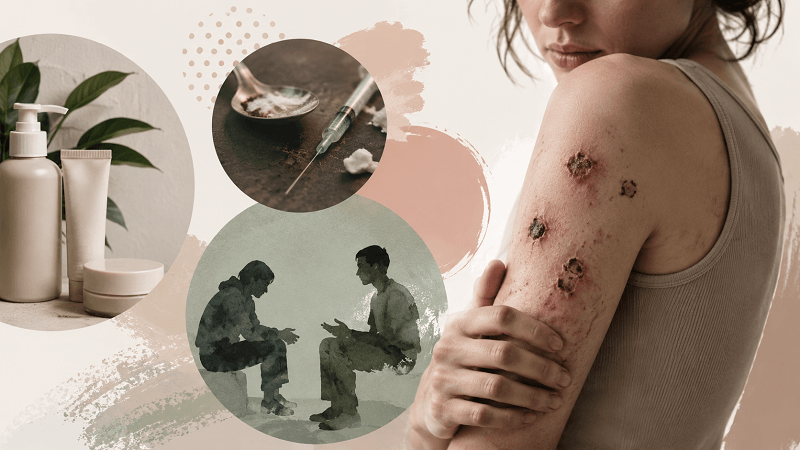
Honestly, the word “wound” sounds too neat for what many people are seeing. Tranq wounds can become deep, painful skin injuries. Some turn dark. Some open. Some spread fast. In severe cases, tissue damage becomes so serious that people need hospital care, surgery, or even amputation. The DEA has warned that xylazine and fentanyl mixtures increase the risk of fatal poisoning, and people who inject these mixtures can develop severe wounds, including necrosis.
Here’s the thing: many people still hear “drug-related skin problem” and think of picking, poor hygiene, or injection marks. That old mental picture doesn’t fit what clinicians are seeing now.
Why the old assumptions fall short
Traditional injection-related infections often start where someone injects. Tranq wounds don’t always follow that pattern. Research and clinical guidance note that xylazine-associated wounds are often seen on the arms and legs, but they are not always tied directly to injection sites. They can become chronic and infected, which makes care harder.
That matters because misunderstanding the wound delays treatment. A person might cover it with gauze and hope it calms down. A friend might call it a “skin infection.” A stranger might stare and assume the worst. Meanwhile, the wound keeps changing.
Skin is the body’s front door. When that door breaks down, bacteria get in, pain climbs, movement gets harder, and daily life shrinks.
Why “Tranq Wounds” Look So Different
Xylazine is not an opioid. That one detail changes a lot. Naloxone can reverse opioid effects, but it doesn’t reverse xylazine itself. Experts still recommend naloxone in suspected overdose because fentanyl or another opioid is often involved, but xylazine adds another layer of danger.
The skin injuries also carry their own puzzle. Researchers are still studying exactly why these wounds happen, but xylazine has been linked with soft tissue damage that looks different from typical injection-related infections.
You know what? That uncertainty is part of the story. People want clean answers. One cause, one symptom, one treatment. But the drug supply isn’t clean. It’s messy, mixed, and often unpredictable.
The drug supply is no longer what people think it is
For years, public conversations around overdose focused on opioids, especially fentanyl. That focus still matters. But xylazine shows how quickly the picture changes. A person doesn’t always know what’s in the substance they’re using. The label on the street is not a lab report.
FDA action on xylazine imports began in 2023 because the agency saw the drug increasingly appearing in illicit drugs, including illegally manufactured fentanyl. That move showed how serious the issue had become.
This is why tranq wounds belong in a broader health conversation. They’re not random. They’re a visible sign of an invisible supply chain problem.
Skin Care Meets Harm, Stigma, and Survival
The phrase “skin care” can sound soft, even pretty. Serums. SPF. Face masks. But skin care also means wound care, infection prevention, pain control, and keeping someone alive long enough to get help.
That’s where the conversation gets uncomfortable.
A person with tranq wounds often faces more than a medical issue. They face shame. They may avoid clinics because they expect judgment. They may fear being dismissed, scolded, or treated like the wound is their fault. And yes, drug use is part of the story, but blame doesn’t clean a wound. Blame doesn’t stop infection. Blame doesn’t rebuild trust.
People dealing with substance use need medical support that sees the whole picture, especially when wounds, withdrawal, mental health, and housing stress overlap. For some, getting help through a treatment center in Massachusetts becomes part of rebuilding stability when drug use has started affecting both the body and daily life.
That line between “skin problem” and “life problem” is thin. Very thin.
Why These Wounds Are Often Misread
Tranq wounds can be mistaken for abscesses, burns, spider bites, infected cuts, or severe skin picking. That confusion makes sense at first glance. The skin can only tell a story in color, swelling, pain, drainage, and texture. It doesn’t print out a cause.
But this is where doctors, outreach workers, and public health teams have had to adjust. A wound that grows quickly, doesn’t heal as expected, or appears away from injection sites raises new questions.
The “bad skin” label does real damage
Calling these wounds “bad skin” sounds harmless. It isn’t.
Bad skin sounds cosmetic. Tranq wounds are medical. Bad skin sounds like something you can hide with sleeves. Tranq wounds can become deep tissue injuries. Bad skin sounds like a personal flaw. Tranq wounds point to a poisoned drug supply and a person who needs care, not mockery.
There’s also a strange cultural split here. Society talks about skin with intense interest when it’s about beauty. We track acne routines, anti-aging creams, sunscreen trends, and celebrity facials. But when skin shows poverty, drug use, infection, or trauma, people look away.
That’s the contradiction. We care deeply about skin, until skin tells a story we don’t want to hear.
The New Skin-Care Conversation Is More Medical
This doesn’t mean every skin-care writer needs to become a wound specialist. But it does mean health content needs more accuracy. Tranq wounds are not a fringe topic anymore. They sit at the crossroads of dermatology, emergency medicine, addiction care, street outreach, and public policy.
NIDA describes xylazine as a veterinary sedative found in some illicit drugs and linked to overdose and other harms. That “other harms” part is where wounds enter the frame. They change what support looks like.
Care teams now have to think about infection, pain, withdrawal, sedation, wound supplies, follow-up visits, and whether a person can safely rest and heal. A wound care plan falls apart fast when someone has no stable place to sleep or no way to return for dressing changes.
This is where treatment access matters. When substance use, wounds, and mental health strain build on each other, structured support through a California Drug Rehab can help people step away from the cycle long enough to address more than the visible injury.
And yes, that sounds simple on paper. Real life is harder. People miss appointments. Pain flares. Withdrawal hits. Shame whispers. Then the wound gets worse.
Why Language Matters More Than We Think
“Zombie drug” headlines get clicks. They also flatten real people into horror images. That’s a problem.
Scary language can grab attention, but it can also push people deeper into hiding. If someone thinks the public sees them as a monster, why would they show up early for care? Why would they roll up a sleeve and ask for help?
A better phrase is not always a softer phrase. “Tranq wounds” is still blunt. It names the issue. But the way we talk around it matters. Clear language helps people understand risk without turning suffering into spectacle.
Skin tells the truth before people can
Sometimes the body speaks first. A wound appears before a person is ready to talk about drug use. A sore worsens before they admit the supply has changed. A clinic visit for skin pain becomes the first opening for a larger conversation.
That’s why wound care and addiction support can’t live in separate rooms forever. They’re connected. A person can receive antibiotics and still return to the same drug supply. A wound can be cleaned and still reopen if the bigger problem stays untouched.
Support that includes Therapy For Addiction Recovery can help address the emotional and behavioral side of substance use, especially when people are carrying fear, grief, trauma, or the plain exhaustion of trying to survive.
What Tranq Wounds Reveal About the Bigger Crisis
Tranq wounds are changing the skin-care conversation because they make the drug crisis visible in a way people can’t ignore. They show up on arms, legs, hands, and feet. They disrupt sleep. They affect work, movement, relationships, and dignity.
They also challenge the public to look closer.
This isn’t only about one drug. It’s about an unstable drug supply. It’s about gaps in care. It’s about how fast medical systems have to learn when the street changes faster than policy. It’s about how skin, of all things, becomes a warning sign.
The beauty side of skin care asks, “How do we improve the surface?”
Tranq wounds force a harder question: “What is happening underneath, and why did it get this far?”
That question deserves a serious answer. Not panic. Not disgust. Not silence. A serious answer. Because when skin breaks down like this, it’s not just skin talking. It’s the whole system speaking through the body.