
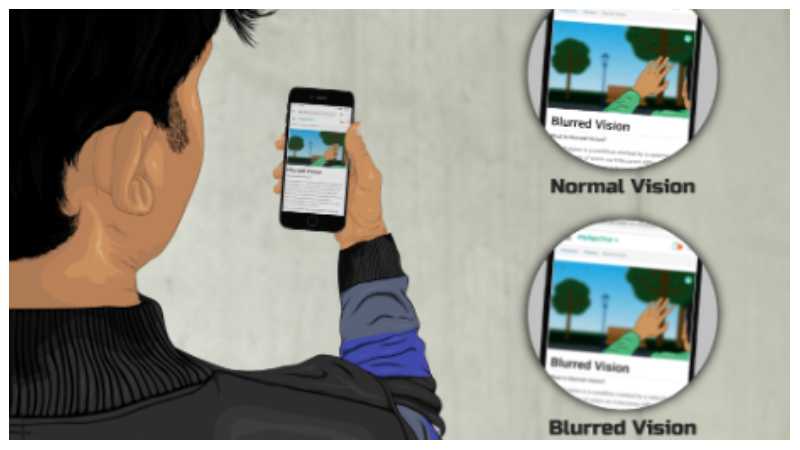
Blurry vision is one of the most common reasons people begin thinking seriously about their eye health. Sometimes the reason is straightforward, such as eye fatigue, dry eyes, prolonged screen use, or an outdated eyeglass prescription. In other cases, blurry vision may signal a deeper change inside the eye that needs professional attention. The difficulty is that many eye conditions begin quietly, without pain or obvious warning signs. A person may simply notice that reading feels harder, lights look brighter than usual, or familiar objects no longer appear as sharp as they once did.
Scheduling an eye exam at the right time helps prevent uncertainty from stretching into risk. Vision changes should not be ignored simply because they develop gradually. The eyes have a way of whispering before they shout, and blurry vision is often one of those early whispers. An exam allows an eye doctor to identify whether the issue is related to prescription changes, cataracts, dry eye, corneal problems, retinal disease, glaucoma, or another condition that needs monitoring or treatment.
How Do Eye Doctors Confirm Whether Cataracts Are Causing Vision Problems?
Blurry vision can develop for many reasons, making professional evaluation essential when eyesight begins to change. Some people experience gradual cloudiness, difficulty reading, increased glare from lights, or reduced night vision without knowing which condition is responsible. Since many eye conditions can cause similar symptoms, eye doctors use a comprehensive evaluation process rather than relying solely on symptoms. Patients who want to understand the examinations, tests, and findings involved in identifying lens clouding should review a detailed cataract diagnosis guide before their appointment.
A thorough diagnostic evaluation combines symptom review with specialized examination techniques. Eye care professionals assess visual acuity to measure how vision has changed and use magnified inspection tools to evaluate the condition of the eye’s natural lens. Pupil dilation allows a clearer view of internal eye structures, helping clinicians determine whether cataracts are present and whether other conditions contribute to visual impairment. Diagnostic findings also help establish severity, monitor progression, and support treatment planning. In many cases, the goal is not only to confirm cataracts but also to rule out alternative causes of vision loss that may require different management approaches. A structured diagnostic process provides objective evidence, allowing patients and clinicians to make informed decisions based on measurable changes in visual function rather than assumptions. Understanding how cataracts are identified helps patients approach eye examinations with realistic expectations and greater confidence in the evaluation process.
When Blurry Vision Should Not Be Ignored
An eye exam should be scheduled when blurry vision becomes persistent, worsens over time, affects one eye more than the other, or interferes with daily tasks. Trouble reading, difficulty recognizing faces, hazy distance vision, glare from headlights, halos around lights, and frequent prescription changes are all reasons to seek evaluation. Even if symptoms seem mild, they can point to changes that are easier to manage when identified early.
Blurry vision also deserves attention when it affects safety. If driving becomes uncomfortable, especially at night, or if stairs, curbs, screens, or printed labels become harder to see, the issue is no longer just inconvenient. It has entered the practical zone of daily life. At that point, waiting for symptoms to “settle down” may only delay useful answers.
Sudden Changes Require Faster Care
Gradual blur is important, but sudden vision changes are more urgent. A person should seek prompt medical attention if blurry vision appears suddenly or comes with eye pain, flashes of light, new floaters, curtain-like shadows, double vision, severe headache, weakness, redness, or nausea. These symptoms may suggest conditions beyond ordinary refractive changes or cataracts. The eye is small, but when it sends an emergency telegram, it should be read quickly.
Why Cataracts Are a Common Cause of Gradual Blur
Cataracts develop when the eye’s natural lens becomes cloudy. Because the lens helps focus light, clouding can make vision appear hazy, dim, or less detailed. This process often happens slowly, which means patients may adapt without realizing how much clarity has changed. They may increase room lighting, avoid night driving, move closer to screens, or assume their glasses are always slightly wrong.
Cataracts can also affect color perception and contrast. Whites may appear yellowed, colors may seem faded, and bright lights may feel harsh. In some cases, a person may notice that new glasses help only temporarily or not enough. These patterns are useful clues during an eye exam because they help doctors understand whether the blur is coming from the lens, the surface of the eye, the retina, or another visual pathway.
Other Possible Reasons for Blurry Vision
Not all blurry vision is caused by cataracts. Dry eye can create fluctuating blur that improves briefly after blinking. Refractive errors such as nearsightedness, farsightedness, and astigmatism can make objects look unclear at certain distances. Corneal conditions may distort how light enters the eye. Diabetes-related eye disease, macular degeneration, glaucoma, inflammation, medication effects, and eye strain can also affect clarity.
This is why an eye exam is more reliable than guessing based on symptoms. Two people can describe “blurry vision” and have completely different causes. A proper evaluation separates surface problems from lens clouding, retinal concerns, nerve-related conditions, and prescription issues. Clear diagnosis is the hinge that lets the right treatment door swing open.
What Happens During an Eye Exam for Blurry Vision?
A blurry vision exam usually begins with questions about symptoms, medical history, medications, previous eye problems, and family history. The doctor may ask when the blur started, whether it is constant or comes and goes, whether one eye is worse, and which activities are most affected. These details help narrow the possible causes before testing begins.
Common tests may include a visual acuity exam, refraction testing for prescription needs, eye pressure measurement, slit-lamp examination, and pupil dilation. During a slit-lamp exam, the doctor can inspect the cornea, lens, and other front structures of the eye under magnification. With dilation, the doctor can examine the retina and optic nerve more carefully. These steps build a fuller picture of eye health rather than treating blur as a single puzzle piece floating alone.
How Modern Vision Care Supports Earlier Evaluation
Modern eye care places strong emphasis on early assessment, clearer diagnostics, and personalized recommendations. Patients now have access to more educational resources, improved imaging tools, and a wider understanding of treatment pathways than previous generations. General health platforms such as Wutaw Health reflect the growing public interest in accessible wellness information, including the importance of recognizing symptoms before they become more disruptive.
For blurry vision, early evaluation helps patients avoid unnecessary worry and unnecessary delay. If the cause is simple, such as a prescription update or dry eye, treatment may be straightforward. If cataracts or another condition are involved, monitoring and planning can begin before vision loss becomes more limiting. The earlier the map is opened, the less likely a patient is to wander through fog.
Eye Exams Before Considering Corrective Procedures
Some patients with blurry vision begin researching surgical correction before knowing the exact cause of their symptoms. This can be understandable, but it is important to identify the diagnosis first. Laser procedures are designed for specific vision problems and are not appropriate for every cause of blur. Patients comparing treatment possibilities can read about laser eye surgery options, but they should still rely on a complete eye exam to determine what type of care is suitable.
For example, blurry vision caused by cataracts is different from blur caused by refractive error. Cataract treatment focuses on addressing the cloudy lens, while laser vision correction is generally used to reshape the cornea for certain prescription-related problems. A careful exam protects patients from chasing the wrong solution and helps them understand which options match their actual eye condition.
Brand Section: Eye Surgery Today
Eye Surgery Today offers patient-focused education for individuals trying to understand eye symptoms, diagnostic steps, surgical options, and recovery expectations. For someone experiencing blurry vision, clear guidance can make an upcoming appointment feel less intimidating. Patients who understand the purpose of eye testing are better prepared to describe their symptoms, ask useful questions, and follow recommendations with confidence.
The strength of educational eye care content lies in connecting clinical information with everyday concerns. Blurry vision affects reading, driving, work, independence, and comfort. When patients understand what doctors look for during an exam, they can approach the process with a calmer mind and a sharper sense of what matters.
Conclusion
An eye exam should be scheduled when blurry vision persists, worsens, affects daily tasks, causes glare or night-driving difficulty, or no longer improves with ordinary adjustments. Gradual blur may be linked to cataracts, but it may also result from dry eye, prescription changes, corneal problems, retinal disease, glaucoma, or other conditions. Only a structured eye evaluation can identify the real cause.
Patients should treat blurry vision as a signal worth investigating, not a nuisance to work around indefinitely. Timely examination provides answers, supports early treatment planning, and helps protect long-term vision. When sight becomes less clear, scheduling an eye exam is not overreacting. It is simply giving the eyes the attention they have been politely requesting.