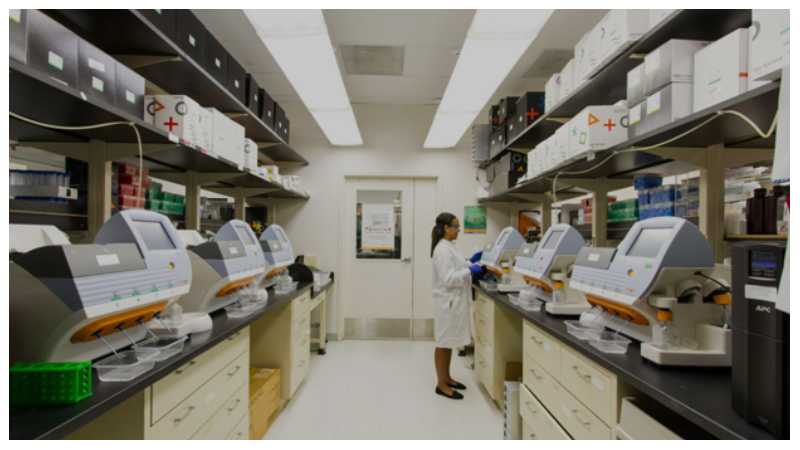
Waiting for test results is brutal. A patient sits by the phone. Hours turn into days. Every minute feels like an eternity. Doctors also feel the pressure. They need answers to start treatment. The old lab process is slow. Samples travel from tube to tech to instrument. Each step adds time. Each handoff risks delay.
Automation changes this picture. It speeds up every single part of the journey. Faster results reach doctors. Doctors act sooner. Patients get answers when it matters most.
The Problem With Manual Processing
Think about a standard blood sample. A phlebotomist draws the tube. Someone labels it by hand. A runner carries it to the lab. A technician logs it into a system. Another person spins it in a centrifuge. Then someone aliquots the plasma. Finally, an instrument runs the test.
That is many separate human actions. Each one takes a few minutes. Those minutes pile up. A simple result might take a full day. For urgent cases, this delay is dangerous. Manual processing has hit its limits. The volume of testing keeps growing. The old way cannot keep up.
Enter the Automated Lab
A modern automated lab looks very different. Samples arrive at a central receiving station. A robotic arm picks up each tube. A barcode scanner reads the patient information. The system checks the requested tests. Then a track system moves the sample along a conveyor belt. It goes directly to the right instrument.
No human carries it. No one manually logs anything. The instrument runs the test. Results flow straight to the doctor’s computer. The whole journey takes minutes instead of hours. This speed saves lives. A lab automation company designs these integrated systems. They connect every piece of the puzzle.
Pre-Analytics Get a Boost
The first part of testing is called pre-analytics. This phase includes sample sorting, centrifugation, and aliquoting. It is boring work. It is also critical. Errors here ruin everything downstream. Automation handles these steps beautifully. A robotic centrifuge spins tubes to exact specifications. Another robot opens each tube. It draws off the right amount of plasma. It distributes that plasma into smaller tubes for different tests.
The machine never gets tired. It never forgets a step. It never confuses two samples. This consistency means fewer rejected samples. Fewer redraws. Less waiting for frustrated patients.
Continuous Operation
Labs face a huge challenge. Tests arrive at all hours. Emergency rooms send STAT orders at 2 AM. A manual lab might have one overnight tech. That single person can only do so much. Automation runs 24/7. The robots do not sleep. They do not take lunch breaks. A batch of samples arrives at 3 AM. The system processes them immediately. Results are already in the electronic medical record before the morning shift even arrives.
This overnight capacity is a game changer. Critical care patients get answers hours sooner. The difference can mean a faster antibiotic. A quicker surgery decision. A real chance at a better outcome.
Fewer Errors Mean Less Rerun Time
Human errors cause delays. A tech picks the wrong tube. A label falls off. A sample gets left on a counter. Someone discovers the mistake later. The lab must call for a redraw. A patient returns for another blood draw. The clock resets. This cycle is frustrating for everyone.
Automated systems nearly eliminate these errors. Barcode verification happens at every step. The machine refuses to proceed with a mismatched sample. It logs the exact location of every tube. Nothing gets lost. Nothing gets swapped. Fewer errors mean fewer repeats. Fewer repeats mean faster final results. The patient benefits directly.
Connecting to the Electronic Record
A fast test result doesn’t mean anything if it sits in a printer tray. Old labs print results on paper. Someone stacks those papers. A clerk later enters data into the computer. This is a huge bottleneck. Modern automation connects directly to the hospital’s electronic medical record.
The instrument finishes its analysis. The software sends the numbers instantly. The doctor sees them seconds later. This integration removes the final delay. No paper. No typing. No waiting. The result travels from sample to screen in a straight line. That straight line is the shortest path to patient care.
The Impact on Emergency Care
Emergency rooms see the biggest benefit. A patient arrives with chest pain. The doctor suspects a heart attack. A troponin test confirms or rules out damage. In a manual lab, that result might take ninety minutes. An automated lab delivers it in under thirty.
That hour matters. The patient receives clot-busting drugs sooner. Heart muscle gets saved. The same logic applies to sepsis, strokes, and many other time-sensitive conditions. Faster lab results directly translate to better outcomes. The automation is not just about efficiency. It is about preserving health and preventing tragedy.
Looking Ahead
The technology keeps improving. New systems use artificial intelligence to prioritize critical results. A flag for a suspected cancer marker jumps to the front of the line. A dangerously low platelet count triggers an immediate call to the doctor’s phone. These smart features will only get smarter.
The vision is clear. A future where lab delays are a memory. Where patients receive diagnoses in hours, not days. Where doctors act on complete information almost instantly. Lab automation is building that future. One sample at a time. One robot arm at a time. One faster diagnosis at a time.