
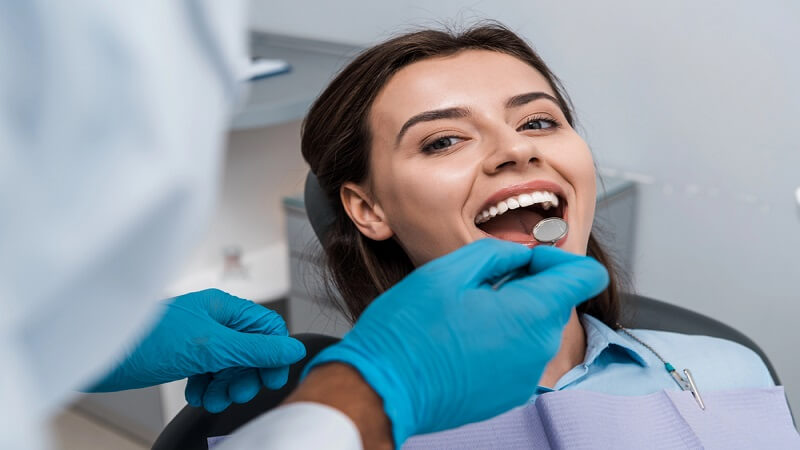
Australians have long valued healthy, confident smiles, but a subtle transformation is taking place within modern dental care. Increasingly, cosmetic dentistry is no longer viewed as an isolated pursuit of beauty. Instead, it has become a powerful catalyst for healthier oral habits, preventive care, and long-term dental wellbeing. As advanced technology reshapes patient experiences, many Australians are discovering that improving the appearance of their smiles often inspires them to protect those smiles with greater commitment. In many ways, this is the digital smile revolution—a movement where aesthetics and preventive dentistry work hand in hand.
The psychology behind oral health is remarkably straightforward. People naturally invest more effort in preserving something they value. A patient who has undergone professional teeth whitening, porcelain veneers, clear aligner treatment, or a complete smile makeover often becomes significantly more attentive to daily oral hygiene. Brushing twice each day transforms from a routine obligation into an act of preserving an investment. Flossing becomes less of an afterthought and more of a necessary habit. Regular dental examinations shift from being reactive appointments to proactive maintenance.
This behavioural change is supported by dental research that highlights the relationship between patient motivation and treatment outcomes. When individuals can clearly visualise the benefits of healthy teeth, they are generally more willing to maintain behaviours that protect them. Modern cosmetic procedures provide exactly that motivation by allowing patients to see what is possible before treatment even begins.
Digital technology has accelerated this shift across Australian dental practices. High-resolution intraoral scanners, digital photography, CAD/CAM systems, and three-dimensional smile simulations enable dentists to demonstrate treatment outcomes with remarkable precision. Patients no longer rely solely on imagination; they can view realistic previews of their future smiles before treatment starts.
This visualisation has profound psychological effects. Instead of focusing only on repairing dental problems, patients begin thinking about preserving a healthier future. Seeing a projected smile often encourages immediate improvements in oral hygiene, dietary choices, and regular dental attendance. Rather than waiting until discomfort appears, many Australians now schedule preventive appointments because they understand the value of maintaining both oral function and appearance.
Nutrition also becomes part of the conversation. Patients investing in aesthetic dental treatments often receive guidance about limiting foods and beverages that contribute to staining, enamel erosion, or tooth decay. Coffee, tea, red wine, sugary drinks, and acidic foods may be consumed more thoughtfully. Water consumption frequently increases, while healthier eating patterns naturally support stronger teeth and gums. The result is not merely cosmetic preservation but genuine improvements in overall oral health.
Another important benefit of cosmetic dentistry is its ability to reveal underlying dental conditions that might otherwise remain unnoticed. During comprehensive smile assessments, dentists often identify early gum disease, tooth wear, bite irregularities, enamel erosion, or minor fractures that have yet to produce symptoms. Addressing these issues before cosmetic treatment ensures that aesthetic improvements rest upon healthy dental foundations rather than temporary solutions.
Orthodontic treatments illustrate this relationship particularly well. Clear aligners and other modern orthodontic systems straighten teeth while simultaneously improving oral hygiene accessibility. Teeth that are properly aligned are generally easier to clean because there are fewer crowded spaces where plaque and bacteria accumulate. Patients frequently experience healthier gums, reduced inflammation, and lower risks of future decay after orthodontic treatment, demonstrating how cosmetic improvements often create functional health advantages.
The Australian dental industry has also embraced patient education in unprecedented ways. Digital consultations frequently include detailed images of plaque accumulation, gum recession, bite analysis, and tooth wear. Rather than simply explaining these issues verbally, clinicians can visually demonstrate areas requiring attention. Patients become active participants in understanding their own oral health instead of passive recipients of treatment recommendations.
Technology has also transformed communication between dentists and patients. Educational videos, digital treatment planning software, reminder applications, and personalised oral hygiene instructions reinforce healthy habits long after appointments conclude. These innovations make preventive care easier to understand and more achievable for patients of all ages. This is the digital smile revolution in its most practical form—not replacing professional expertise but strengthening the partnership between clinician and patient.
Confidence should not be overlooked as a health outcome either. Individuals who feel proud of their smiles often become more socially engaged, smile more frequently, and communicate with greater self-assurance. While cosmetic treatment does not define self-worth, improving dental appearance can remove barriers that previously discouraged smiling, speaking publicly, or participating confidently in professional and personal interactions. That renewed confidence often reinforces positive self-care behaviours extending beyond oral health into broader wellness habits.
Importantly, responsible cosmetic dentistry always prioritises oral health over appearance. Ethical Australian dental professionals understand that beautiful smiles begin with healthy gums, stable teeth, and proper function. Cosmetic procedures performed without addressing decay, periodontal disease, or bite dysfunction rarely deliver lasting success. This philosophy aligns perfectly with contemporary dentistry’s preventive approach, where long-term health forms the foundation for every aesthetic enhancement.
Australia’s growing emphasis on minimally invasive dentistry further strengthens this trend. Rather than aggressively altering healthy teeth, modern cosmetic techniques increasingly preserve natural tooth structure while achieving attractive results. Adhesive dentistry, conservative veneers, enamel bonding, and digital planning all support treatments that respect biological health while delivering aesthetic improvements.
Ultimately, the future of Australian dentistry lies not in separating cosmetic care from preventive care but in recognising how closely they complement one another. Every attractive smile maintained through consistent brushing, careful nutrition, regular professional cleaning, and routine examinations reflects a deeper commitment to lifelong oral health. Cosmetic improvements may begin as aesthetic goals, but they frequently evolve into lasting behavioural changes that protect natural teeth for decades.
As digital innovation continues to reshape dental care, Australians are embracing a new perspective on oral health. A beautiful smile is no longer simply something to admire—it becomes something worth protecting every single day. In that sense, the true achievement of modern dentistry extends far beyond appearance. It inspires healthier choices, stronger preventive habits, and greater appreciation for lifelong oral wellbeing. That enduring transformation is why this is the digital smile revolution, where confidence, technology, prevention, and health come together to create smiles that are as resilient as they are beautiful.