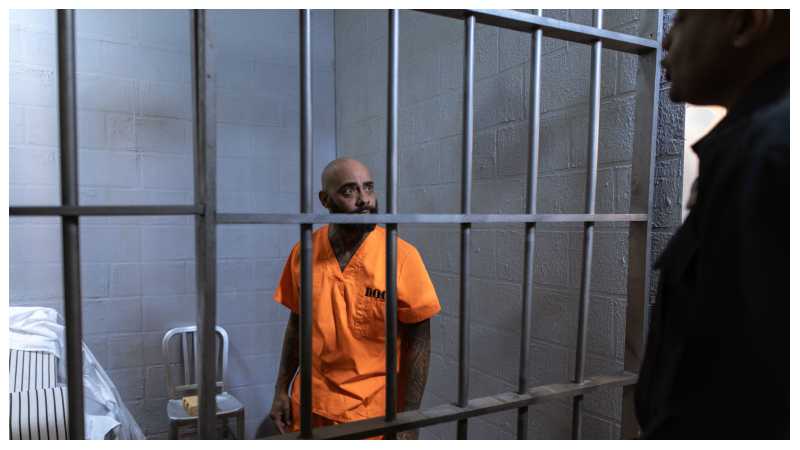
A DUI arrest rarely stays confined to what shows up in a court file. The fines get calculated, the license gets suspended, and a hearing date gets scheduled, but none of that paperwork captures what actually happens inside someone’s head once the arrest itself becomes real.
Long after the ride home from the police station, something else lingers. Sleep gets harder. Small decisions start to feel loaded. Friends notice a shift in mood before anything gets said out loud, and the person carrying the charge often can’t quite explain why everything suddenly feels heavier than it should.
The psychological effects of a DUI are often the last thing anyone prepares for, yet therapists and defense attorneys see them surface again and again once the initial shock wears off. Fines get paid and dates get rescheduled, but the mental weight of the arrest doesn’t follow the same timeline. That lingering aftermath deserves a closer look.
Shame and Anxiety Can Start Immediately
The moment handcuffs come out, something shifts internally that has nothing to do with the legal charge itself. Embarrassment sets in fast, often before a person even reaches the station, and it tends to stick around far longer than the booking process does. Replaying the arrest becomes an involuntary habit for a lot of people.
Fear follows close behind, but it’s rarely simple fear of punishment. It’s fear of what people will think, fear of a job finding out, fear of an unknown court process that suddenly controls the next several months. That kind of uncertainty keeps the nervous system on alert in a way that regular stress usually doesn’t.
Some people describe the first few days after an arrest as a blur, running on adrenaline and dread in equal measure. Others describe the opposite, a strange numbness that makes ordinary tasks feel impossible. Neither reaction means something is wrong with the person experiencing it. It just means the brain is doing exactly what brains do under sudden, unexpected pressure.
Relationships and Work Can Feel Different
A DUI charge has a way of seeping into parts of life that seem completely unrelated to the courtroom. Family dinners get quieter. A spouse or parent might ask pointed questions, and even when nobody says anything harsh, the silence can feel loud. Trust, once it wobbles, takes real effort to rebuild.
Work adds its own layer of pressure. Some jobs require a clean license or a specific type of background check, so a pending charge can turn into a source of constant low-grade dread at the office. Even in roles where driving isn’t part of the job, coworkers talking or a boss finding out unexpectedly can make the workplace feel like one more place to manage carefully.
Friendships shift too, sometimes in ways nobody saw coming. A few friends lean in and offer support without judgment, while others pull back or go quiet in a way that stings more than expected. Reputation feels fragile during this stretch, and that fragility touches nearly every relationship a person has, whether the charge ever comes up out loud or not.
Waiting for the Case to End Can Become Its Own Stressor
Court systems move on their own schedule, and that schedule rarely matches the urgency a defendant feels. Weeks turn into months between hearings, and each postponed date can reset the anxiety right back to where it started. The waiting itself becomes exhausting in a way that’s hard to explain to anyone who hasn’t lived through it.
License restrictions compound the stress in very practical ways. Getting to work, picking up kids, or handling basic errands suddenly requires workarounds that eat up time and energy every single day. That daily friction is a constant reminder of the case, even on days when nothing legal is actually happening.
Money adds pressure from another direction entirely. Legal fees, court costs, possible fines, and lost income from missed work days pile up before anyone knows how the case will actually resolve. Not knowing the final outcome, combined with watching the financial picture get more uncertain by the week, keeps a lot of people stuck in a holding pattern that feels far worse than the eventual verdict.
Recovery Means Addressing More Than the Legal Case
Once the legal side settles, the emotional side doesn’t automatically settle with it. Talking to a counselor or therapist gives a lot of people their first real chance to process what happened instead of just pushing through it. That kind of support can catch patterns, like drinking as a coping mechanism, before they turn into something bigger.
Support systems matter just as much as professional help. A partner, a close friend, or even a support group made up of people who’ve been through something similar can make the isolation of a DUI charge feel less permanent. Nobody has to carry the emotional weight of an arrest by themselves, even though it often feels that way at first.
Small, steady routines tend to rebuild a sense of stability faster than big gestures do. Regular sleep, consistent meals, and a return to activities that felt normal before the arrest all help the nervous system settle back down. When those pieces alone aren’t enough, reaching out to a licensed professional isn’t a sign of failure. It’s usually the fastest way back to feeling like yourself again.
Conclusion
The legal side of a DUI has a clear endpoint. Fines get paid, license suspensions expire, and court dates eventually stop appearing on the calendar. The emotional side doesn’t follow that same tidy timeline, and pretending it does only delays the point where real healing actually starts.
Shame, strained relationships, financial stress, and the slow grind of waiting for resolution all leave marks that outlast the paperwork. None of that makes someone weak or overly sensitive. It makes them human, reacting the way most people would to a sudden, high-stakes disruption in their life.
Recognizing that emotional aftermath is real, and worth addressing directly, tends to matter more for long-term recovery than most people expect going in. Support, honest conversations, and professional guidance when needed all play a part in getting back to solid ground, long after the court docket has closed the case for good.