
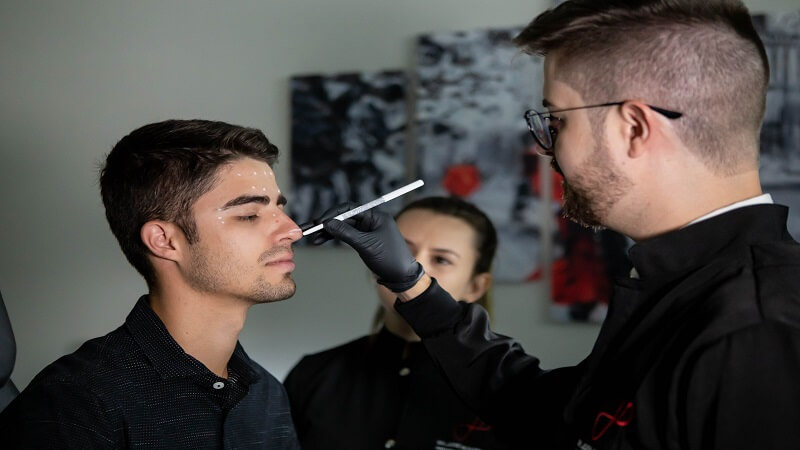
Choosing a cosmetic procedure involves more than deciding which feature you would like to change. It also means considering your health, expectations, recovery, and the qualifications of the person providing treatment. In Brooklyn, New York, where residents have access to a wide range of cosmetic and reconstructive procedures, comparing your options carefully is essential. Rather than focusing solely on before-and-after photographs or popular beauty trends, start by understanding your personal goals and what each procedure can realistically achieve.
Identify the Change That Matters to You
It is easy to begin with the name of a procedure before understanding what you hope it will achieve. Instead, describe the concern in everyday terms. Perhaps you want a feature to appear more balanced, or you have noticed changes after weight loss or aging.
Ask yourself how long the concern has mattered and whether your preference would remain the same without encouragement from others. A procedure can alter appearance, but it cannot reliably solve relationship problems or deeper dissatisfaction with body image. If expectations feel difficult to define, discussing them with a qualified professional can be useful before making a commitment.
Look for Qualifications, Not Just Photographs
Before booking, confirm the practitioner’s training, licensing, and experience with the specific procedure you are considering. Board certification should be checked through the appropriate recognized board rather than accepted as an unexplained marketing phrase.
If you’re exploring plastic surgery Brooklyn has several options worth considering. However, choosing the right surgeon involves more than comparing before-and-after photographs. Look into their experience with your preferred procedure, approach to patient safety, and consultation process. Ask where the surgery will take place, how potential complications are managed, and what follow-up care is provided. A thorough evaluation can help you make a more informed decision.
A reassuring consultation should make room for disagreement. You need someone willing to explain when a particular treatment is unsuitable, not someone who automatically endorses every requested change.
Understand the Different Levels of Treatment
Cosmetic care ranges from minimally invasive treatments to operations requiring anesthesia and extended recovery. These options differ substantially in what they can achieve, how long results last, and which complications are possible.
A procedure that sounds simple may still require careful anatomical assessment. Injectables, for example, can cause complications and should not be treated as ordinary beauty products. Surgical procedures introduce additional considerations, including incisions, scars, healing, and possible revision.
Understanding the distinction helps you compare alternatives fairly. Rather than selecting a treatment because it is popular, ask what problem it addresses and whether a less invasive approach could reasonably meet your expectations.
Bring Questions That Reveal the Real Plan
Good consultations move beyond vague promises of natural-looking results. Ask what improvements are realistic for your anatomy, where scars could appear, and which aspects of the outcome remain unpredictable. Discuss the planned anesthesia, alternatives, potential complications, and expected limitations during recovery.
A helpful set of questions to ask your plastic surgeon covers credentials and the practical details patients should understand before consenting. Use those topics to guide a genuine conversation, not to rush through a checklist.
Notice whether the answers are specific. If you leave unsure who will perform the procedure or what happens if healing becomes complicated, you have not received enough information to decide.
Understand Risks Without Assuming the Worst
No cosmetic treatment is risk-free. Depending on the procedure, concerns may include bleeding, infection, scarring, changes in sensation, anesthesia reactions, and dissatisfaction with the final appearance. Some treatments carry distinctive risks that deserve separate discussion.
For example, learning about dermal filler risks and complications shows why even treatments without surgery require trained providers and careful placement. Rare but serious vascular complications can occur with fillers, making proper assessment and prompt recognition of warning signs essential.
The point is not to frighten yourself with every possible scenario. It is to understand what could happen, how likely concerns are managed, and what symptoms would require urgent medical attention. Transparent discussion is part of informed consent.
Plan for Recovery in Your Actual Life
Recovery timelines can look manageable on paper until they collide with work, childcare, commuting, or ordinary household tasks. Some people need transportation after anesthesia or help lifting objects. Swelling and bruising may make social plans uncomfortable even when healing is proceeding normally.
Ask when you can safely resume exercise, driving, and physically demanding activities. Clarify which restrictions apply to your treatment, because advice for one operation may be unsuitable for another.
Emotional expectations matter too. Early swelling can temporarily obscure results, and waiting for healing can be frustrating. If you experience concerning symptoms or significant distress, contact your care team instead of relying on online reassurance.
Count the Costs Beyond the Quoted Fee
A treatment estimate may exclude anesthesia, facility charges, testing, prescriptions, garments, or time away from work. Depending on the procedure, follow-up treatment or revision may create further expenses. Ask for an itemized written estimate before committing.
Compare what each quote actually covers, including aftercare and management of complications. Financing may make payments smaller while adding interest or fees, so look at the full repayment amount.
Price is important, but it should not outweigh qualifications, appropriate facilities, or the quality of communication. An affordable procedure that leaves essential questions unanswered is not necessarily good value.
Give Yourself Time to Make the Decision
Cosmetic changes can be meaningful, but there is rarely a good reason to decide under pressure from a promotion, an upcoming event, or another person’s preferences. Take notes, seek another qualified opinion when useful, and revisit your priorities after the consultation.
Consider how aging, weight changes, and future maintenance could affect the result. Be honest about your medical history, medications, supplements, and nicotine use so your clinician can assess safety accurately.
You are free to proceed, postpone, or decide that no treatment is right for you. A strong decision is not defined by how quickly you make it. It comes from understanding your options and choosing what genuinely fits your health and life.