
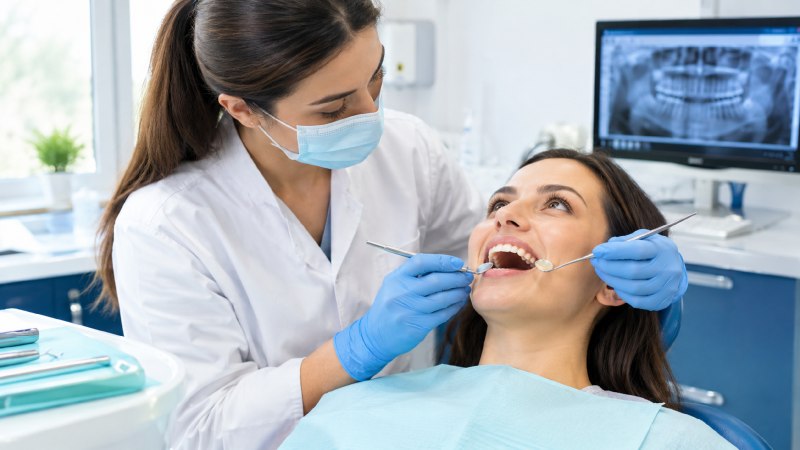
You brush, you floss when you remember, and you probably tell yourself you will book that dental visit once life calms down. Then a little sensitivity shows up, or your gums bleed when you spit, and suddenly it is harder to ignore. A lot of people live in that space for months or years, not because they do not care, but because dental problems often start small and stay quiet until they become expensive, painful, and hard to fit into real life. In some cases, treatments like laser periodontal treatment Coral Springs may become part of the conversation.
That is where preventive care changes the story. Preventive dentistry is not just about clean teeth or getting a gold star at your checkup. It is about finding small issues before they turn into root canals, gum disease, tooth loss, or repeated emergency visits. Regular exams, cleanings, and early treatment usually cost less, hurt less, and protect more of your natural teeth over time.
Preventive dental care stops small problems before they become major treatment
Most serious dental issues do not appear overnight. A tiny cavity can sit there with no pain, slowly moving deeper into the tooth. By the time it hurts, the decay may already be close to the nerve. What could have been a simple filling becomes a crown or root canal.
This is one of the clearest reasons preventive dental care leads to better long term outcomes. A general dentist can catch weak enamel, early decay, cracked fillings, and bite problems before they lead to damage you can feel. When treatment happens early, the fix is usually simpler and more conservative.
Routine cleanings reduce the risk of gum disease and tooth loss
Plaque is soft at first, then it hardens into tartar that you cannot remove at home. Once that buildup sits along the gumline, inflammation starts. Gums may look puffy, bleed during brushing, or pull away from the teeth. Many people ignore those signs because they do not seem urgent, but gum disease can quietly destroy bone support over time.
The National Institute of Dental and Craniofacial Research explains how gum disease progresses and why early care matters. Professional cleanings remove buildup that home brushing cannot. That lowers inflammation and helps protect the structures that hold your teeth in place.
Preventive dentistry protects your budget by lowering the need for complex care
Dental bills rarely feel manageable when they arrive all at once. One skipped cleaning can seem like a way to save money. Then six months turns into three years, and the next visit includes X rays, deep cleaning, several fillings, or a crown. The cost jumps fast because untreated disease keeps moving.
Preventive visits are usually the lowest cost part of dental care. They create a rhythm of maintenance instead of crisis spending. If you have ever had to rearrange your week around a toothache, miss work for urgent treatment, or choose between procedures because of cost, you already know how much prevention can protect more than your mouth.
Oral hygiene habits work better when a general dentist guides them
Most people know the basics, but that does not mean their routine is actually working. You may be brushing too hard, missing the back molars, or using a flossing method that leaves plaque behind. Small mistakes repeated every day add up.
A general dentist does more than clean teeth. They help you fine tune your home care based on what is happening in your mouth. The NIDCR offers practical guidance on oral hygiene, and that advice becomes even more useful when it is paired with personal feedback during exams. Better technique means fewer cavities, less gum irritation, and stronger long term results.
Early monitoring helps preserve natural teeth for longer
Once a tooth needs major work, the goal shifts from prevention to preservation. Crowns, root canals, extractions, and replacements all have a place, but none of them are better than keeping your own healthy tooth structure whenever possible.
Preventive dentistry supports that goal by tracking wear, grinding, recession, and changes in old dental work. If you clench at night, a custom night guard may prevent cracks. If a filling is breaking down, replacing it early may save the tooth from deeper damage. This is one of the strongest long term benefits of preventive dentistry. It helps you keep what you already have.
Consistent preventive care supports comfort, confidence, and daily function
Dental health affects more than treatment plans. It affects what you eat, how you sleep, how you speak, and whether you cover your mouth when you laugh. When your mouth feels off, it can sit in the back of your mind all day. Even low grade sensitivity or bleeding gums can wear on you.
Staying consistent with checkups and cleanings makes daily life easier. Your teeth feel cleaner, your breath is fresher, and you are less likely to get blindsided by pain before a trip, holiday, or big work week. That reliability matters. It is one of the quieter ways preventive care improves long term quality of life.
Preventive care and delayed treatment lead to very different outcomes
| Situation | With Preventive Care | With Delayed Care |
| Early cavity | Small filling, less tooth structure removed | Decay spreads, may need crown or root canal |
| Plaque and tartar buildup | Routine cleaning removes buildup before damage starts | Inflamed gums, deeper cleaning, possible bone loss |
| Teeth grinding | Night guard and monitoring help prevent cracks and wear | Broken teeth, jaw pain, costly restorative treatment |
| Old filling beginning to fail | Early replacement may preserve the tooth | Leakage, decay under filling, larger restoration needed |
Simple steps can strengthen your long term dental outcomes
Book the visit you have been putting off. If it has been a while, that does not mean you failed. It means now is the right time to restart. One exam gives you a clear picture of what is happening and what can still be prevented.
Pay attention to early signs. Bleeding gums, sensitivity, bad breath that lingers, food getting stuck in one spot, and a tooth that feels different all deserve attention. These are often the first signs that something is changing.
Make your home routine easier to keep. Use a soft toothbrush, fluoride toothpaste, and floss or interdental cleaners every day. If your routine feels inconsistent, simplify it. A shorter routine you actually do beats a perfect routine you skip.
The best time to protect your teeth is before something starts to hurt. That is the real value behind the 6 ways preventive dentistry creates better long term outcomes. You spend less time reacting and more time staying ahead of problems. If you are due for a checkup, schedule a visit with a general dentist and give yourself the chance to catch problems early, keep treatment smaller, and protect your smile for the long run.