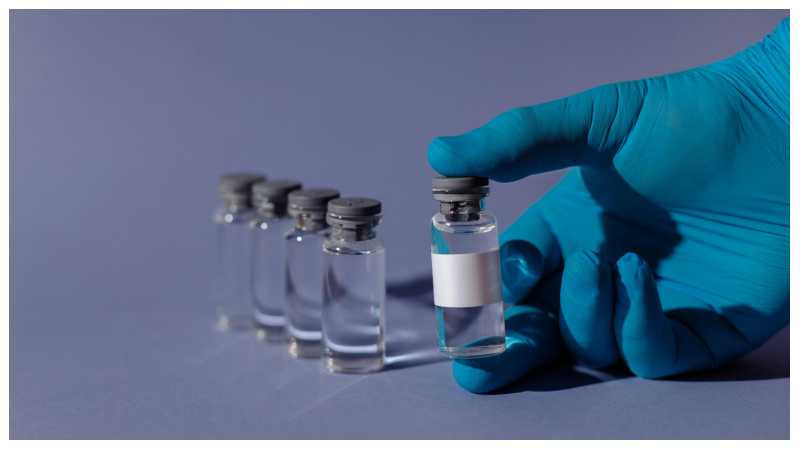
No, peptides are not being broadly taken off the market. What actually happened: in late 2023, the FDA placed several peptides (including BPC-157, TB-500, GHK-Cu, Semax, and others) on the 503A Category 2 list, blocking compounding pharmacies from making them. In April 2026, the FDA began reversing course, removing 12 peptides from Category 2, and a formal review by the Pharmacy Compounding Advisory Committee (PCAC) is scheduled for July 23–24, 2026. FDA-approved peptide drugs and research-use peptides remain legally available throughout.
What actually happened – the short version
Three different “peptide markets” are often confused as one:
- FDA-approved peptide drugs (e.g., semaglutide, tirzepatide, octreotide) fully on the market, prescription-only.
- Compounded peptides (BPC-157, Thymosin Alpha-1, CJC-1295, etc.) these are the ones that were restricted in late 2023 and are now being reviewed for return.
- Research-use-only peptides, sold to laboratories for non-human research and never intended for compounding; these were not the target of the restrictions and remain available through suppliers such as NuScience Peptides.
The 503A Category 2 list, explained
Under Section 503A of the Federal Food, Drug, and Cosmetic Act, compounding pharmacies can only use bulk drug substances that meet specific criteria. In late 2023, the FDA placed peptides like BPC-157, TB-500, MOTs-C, KPV, Semax, Epitalon, Thymosin Alpha-1, CJC-1295, Ipamorelin, AOD-9604, GHK-Cu (injectable), Melanotan II, and Selank into Category 2 meaning “do not compound” citing safety, characterization, and exposure-data gaps.
That single decision created the impression that peptides were being banned. They were not. The restriction was narrow: it only affected what compounding pharmacies could legally make.
The April 2026 reversal
In April 2026, the FDA formally removed 12 peptides from Category 2, and Health Secretary Robert F. Kennedy Jr. announced that reclassification of BPC-157 and several others is moving forward. The Pharmacy Compounding Advisory Committee (PCAC) is scheduled to meet July 23–24, 2026 under Docket FDA-2025-N-6895 to consider returning BPC-157, KPV, MOTs-C, and others to the Category 1 (approved-for-compounding) list.
Until the PCAC vote and a subsequent FDA rulemaking, compounding pharmacies are not yet authorized to compound these peptides under Section 503A but the trajectory is clearly toward restored access, not removal.
Peptides still fully available
- FDA-approved peptides: every peptide drug approved by the FDA remains on the market through normal pharmacy channels.
- Research-use-only peptides: suppliers serving laboratory and pre-clinical research continue to operate normally; this is the “research-use” lane and is a different regulatory category from compounding. Research-grade catalogs including peptide research solutions from nusciencepeptides.com are unaffected by the 503A debate.
Why the confusion spread
The GLP-1 wave (semaglutide, tirzepatide) brought peptide therapy into mainstream attention. When the FDA acted against unlawful compounded GLP-1s in 2025 and separately restricted other peptides under Category 2, the two stories merged in public conversation into “peptides are being banned.” That is not what happened and the 2026 reversals make this clearer.
For context on how peptide quality varies by manufacturing method which is part of what the FDA was trying to address see this comparison of peptide production technologies.
What it means for researchers and consumers in 2026
- Researchers: research-use peptides remain available; the supply chain has not changed.
- Clinicians using compounding: monitor PCAC outcomes after July 2026 and confirm directly with your compounding pharmacy.
- Consumers: FDA-approved peptide drugs are still available with a prescription; the gray market for unregulated injectables remains risky regardless of the policy direction.
Frequently asked questions
Which peptides has the FDA actually restricted?
The 2023 Category 2 list included BPC-157, TB-500, MOTs-C, KPV, Semax, Epitalon, Thymosin Alpha-1, CJC-1295, Ipamorelin, AOD-9604, GHK-Cu (injectable), Melanotan II, and Selank — restricting compounding only. In April 2026, the FDA removed 12 of these from Category 2.
Are research peptides still legal in 2026?
Yes. Research-use peptides sold for laboratory and pre-clinical work, not human use — are a separate regulatory category and remain available throughout the 503A debate.
Will GLP-1 peptides be taken off the market?
FDA-approved GLP-1 drugs (semaglutide, tirzepatide) remain available. In April 2026, the FDA proposed removing GLP-1s from the 503B outsourcing-facility list as the national shortage resolves — that affects compounded GLP-1s, not the approved branded drugs.