
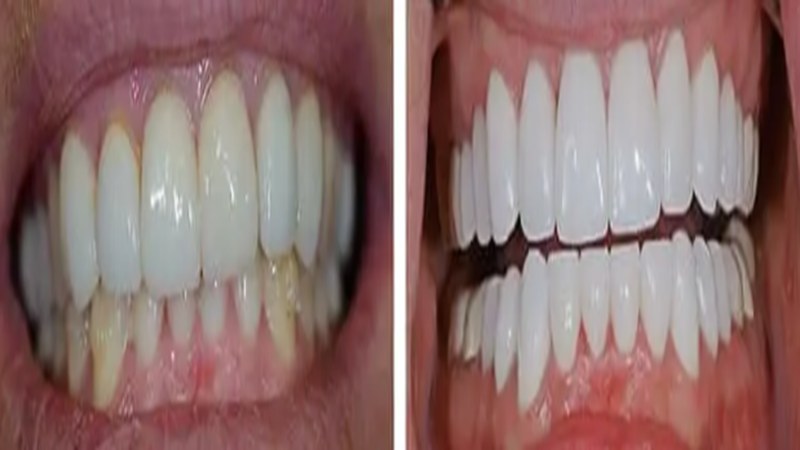
Anyone who has gone through the traditional crown process knows the routine. A tooth is prepared, a temporary crown is placed, and you wait several weeks for a dental laboratory to fabricate the final restoration before coming back for a second appointment. CEREC technology has changed that experience for a large percentage of patients by allowing a permanent ceramic crown to be designed, milled, and placed in a single visit. Here is a closer look at how the technology works, what materials are involved, and who is the right candidate for this approach.
What Is CEREC Technology?
CEREC stands for Chairside Economical Restoration of Esthetic Ceramics, though most people simply know it by the acronym. It is a computer-aided design and computer-aided manufacturing, or CAD/CAM, system that allows a dentist to digitally scan a prepared tooth, design a custom crown on a computer, and mill that crown out of a solid ceramic block using an in-office milling unit, all within the same appointment.
The technology eliminates several steps that have traditionally added time and inconvenience to getting a crown: the physical impression material, the temporary crown phase, the wait for a dental laboratory, and the second appointment to place the final restoration.
How the Process Works
The CEREC process begins with the dentist preparing the tooth in the same way they would for a traditional crown, removing the damaged or decayed portion and shaping the remaining structure to accept the restoration. Instead of taking a physical impression with putty material, a small handheld scanner captures a precise digital image of the prepared tooth and the surrounding teeth.
That digital scan is then used to design the crown using specialized software, where the dentist can adjust the shape, contact points, and bite alignment on a computer screen before any milling begins. Once the design is finalized, the data is sent to an in-office milling unit, which carves the crown out of a solid block of ceramic material in a matter of minutes.
After milling, the crown is finished, polished, and sometimes stained to match the surrounding tooth shade before being bonded into place. The entire appointment, from initial preparation to final placement, typically takes around two hours.
What Materials Are Used in CEREC Crowns?
CEREC crowns are milled from solid ceramic blocks rather than the layered porcelain techniques used in some laboratory crowns. The most common materials include lithium disilicate, which offers an excellent balance of strength and natural translucency, and various zirconia formulations, which are exceptionally strong and well-suited for back teeth that endure significant chewing force. Feldspathic ceramic blocks are also available and offer particular aesthetic qualities for certain cosmetic cases.
The right material depends on where in the mouth the crown is being placed, the forces that tooth will experience, and the aesthetic priorities for that specific restoration. A back molar might be best suited to a strong zirconia crown, while a visible front tooth might benefit from the lifelike translucency of lithium disilicate.
Who Is a Good Candidate for a CEREC Crown?
The majority of patients who need a crown for reasons like a large cavity, a cracked tooth, or as a follow-up to a root canal are good candidates for a same-day CEREC crown. The technology has advanced considerably since it was first introduced and now handles the vast majority of standard crown indications very well.
There are some situations where a traditional lab-fabricated crown might still be the better choice, particularly in highly complex aesthetic cases involving very specific color matching and characterization that a skilled ceramist can achieve through hand-layered porcelain techniques. These cases represent a smaller subset of patients, typically those with very particular cosmetic goals for highly visible front teeth.
For most patients needing a crown on a back tooth, or even a front tooth where the digital shade-matching tools produce an excellent result, CEREC offers a faster and equally durable solution.
Advantages of Same-Day Crowns
The most obvious advantage is time. Patients avoid a second appointment, the inconvenience of a temporary crown that can sometimes come loose or feel different from a permanent restoration, and the multi-week wait that traditional crowns require.
There is also a comfort advantage. Many patients find the digital scanning process more pleasant than the traditional impression material, which can trigger a gag reflex or simply feel unpleasant for several minutes while it sets.
From a durability standpoint, materials like lithium disilicate and zirconia have strong, well-documented clinical track records showing longevity comparable to traditional lab crowns when properly placed and maintained.
What to Expect After Getting a CEREC Crown
Once the crown is bonded into place, it functions like any other permanent crown. Patients can typically eat normally once any numbness from local anesthesia wears off. Some mild sensitivity in the days following placement is normal as the tooth adjusts.
Caring for a CEREC crown is no different from caring for any other crown. Regular brushing and flossing, particularly around the margin where the crown meets the natural tooth, along with routine dental visits, helps protect the long-term success of the restoration.
Frequently Asked Questions
How long does a CEREC crown last?
With proper care, CEREC crowns typically last 10 to 15 years or longer, similar to traditional lab-fabricated ceramic crowns. Lifespan depends on the material used, where the crown is placed, and how well the patient maintains their oral hygiene and addresses habits like teeth grinding.
Is a CEREC crown as strong as a regular crown?
Yes. Materials like lithium disilicate and zirconia used in CEREC crowns have strength characteristics comparable to or exceeding traditional porcelain crowns made in a dental laboratory.
Does a CEREC crown look natural?
Modern CEREC materials, particularly lithium disilicate, offer excellent translucency and can be shade-matched closely to surrounding teeth, producing a natural-looking result for the vast majority of patients.
Is the CEREC appointment uncomfortable?
The appointment involves the same numbing and preparation process as a traditional crown. Many patients find the digital scanning step more comfortable than traditional impression material. The appointment is longer than a typical preparation visit, usually around two hours, since the entire crown is completed in one sitting.
Can a CEREC crown be used after a root canal?
Yes. CEREC crowns are commonly used to restore teeth after a root canal, providing the same protective coverage as a traditional crown while completing the restoration in a single visit rather than requiring a temporary crown during a multi-week wait.
If you are facing the need for a dental crown and want to understand whether a same-day CEREC restoration is the right option for your specific tooth, a consultation with an experienced provider is the best starting point. Lakefront Family Dentistry in Lake Elsinore, California, offers CEREC same-day crowns and can walk you through whether this approach fits your situation during your visit.