
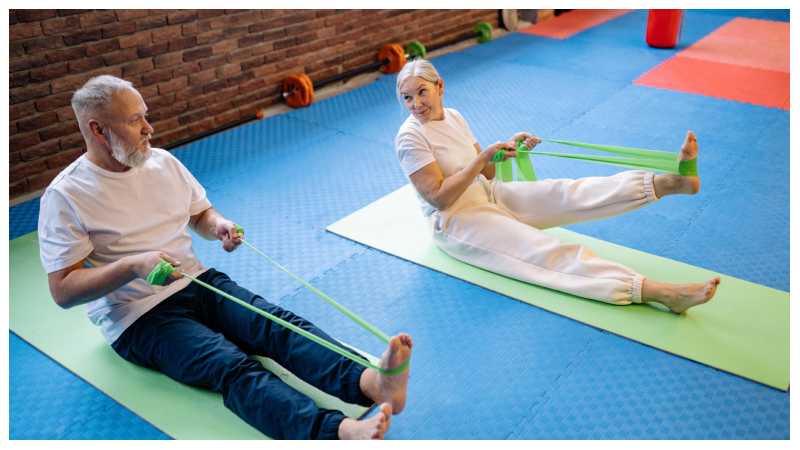
Strength training can play an important role in helping older adults maintain muscle strength, mobility, and independence. However, conventional gym-based strength training and the ONERO program are not designed with the same objectives. While both use resistance exercises, ONERO is specifically structured for people with low bone mass and focuses on bone health alongside muscle strength, balance and physical function.
For older adults considering exercise options, understanding these differences can help them determine which approach best suits their individual goals.
What Is the ONERO Program?
ONERO is an evidence-based exercise program developed specifically for people with osteopenia or osteoporosis. It combines high-intensity resistance and impact exercises designed to provide targeted loading for bones and muscles. The program is based on research including the LIFTMOR and MEDEX-OP trials.
Unlike a standard gym workout, ONERO must be delivered under the supervision of an accredited ONERO practitioner, such as a qualified exercise physiologist or physiotherapist. An initial assessment is used to understand an individual’s health, physical capabilities and any factors that may affect exercise selection.
How Is ONERO Different From Conventional Strength Training?
The biggest difference is the training’s specific purpose and structure.
Conventional strength training generally aims to improve muscular strength, endurance, fitness and physical performance. Exercises can be selected according to an individual’s goals, such as building muscle, improving general fitness or making everyday activities easier.
ONERO, on the other hand, is specifically targeted towards bone health. Its exercises combine resistance and impact loading with balance and functional movements to address factors associated with fracture risk.
This means ONERO is not simply a standard strength workout with heavier weights. The exercises, intensity, progression and supervision are structured around the needs of people with low bone mass.
Does ONERO Use High-Intensity Exercise?
ONERO uses targeted, high-intensity resistance and impact exercises. This may sound surprising for older adults, particularly those concerned about osteoporosis, but the program is designed around the principle that appropriately supervised loading can provide meaningful stimulus to bones and muscles.
The important distinction is appropriate supervision and individualisation. An accredited practitioner can determine how exercises should be progressed, modified or maintained according to an individual’s capabilities and circumstances.
Conventional strength training can also involve progressive resistance, but the level and type of loading may not necessarily be selected specifically to target bone health.
Why Is Supervision Important for Older Adults?
Older adults can have different levels of strength, mobility, balance, and previous exercise experience. Someone with osteoporosis may also need specific consideration when selecting exercises.
ONERO therefore includes an assessment before training begins and ongoing professional supervision. Practitioners can identify relevant health considerations and adjust exercises as required.
This is one area where exercise physiology in South Perth can be particularly valuable. An exercise physiologist can assess your current physical capacity and help develop an exercise approach that is appropriate for your needs rather than relying on a generic gym program.
Does Conventional Strength Training Still Benefit Older Adults?
Absolutely. Conventional resistance training can be an important part of healthy ageing. Current Australian osteoporosis guidance recommends regular progressive muscle resistance training, along with weight-bearing impact and challenging balance activities for fracture-risk reduction.
The difference is that conventional strength training is generally broader in its objectives, while ONERO has been specifically developed around osteoporosis and low bone mass.
For an older adult without specific bone-health concerns, a conventional strength program may provide an effective way to improve strength, mobility and overall fitness. For someone with osteopenia or osteoporosis, a specialised program may offer a more targeted approach.
Can ONERO Help With More Than Bone Health?
Although bone health is a central focus, ONERO also incorporates exercises that support muscle strength, balance, mobility and physical function. These areas are important because falls can contribute to fracture risk in people with low bone mass.
Improving strength and balance can also support confidence with everyday activities, such as climbing stairs, getting up from a chair or carrying household items.
Who May Benefit From the ONERO Program?
ONERO is particularly designed for people with osteoporosis or osteopenia and is also intended to support healthy ageing. However, suitability should be determined through an assessment by an appropriately qualified practitioner.
It may be worth asking about ONERO if you:
- Have been diagnosed with osteoporosis or osteopenia
- Want to take a more targeted approach to bone health
- Want to maintain strength and physical independence as you age
- Are concerned about falls or loss of balance
- Want professional guidance with progressive resistance and impact exercises
How Can Exercise Physiology Support Older Adults?
An exercise physiologist in South Perth can provide more individualised support than simply following a general gym routine. Exercise physiology services can help assess your physical capabilities, establish appropriate exercise goals and develop a program that considers your health, fitness level and functional needs.
For older adults, this may involve strength, balance, mobility, cardiovascular or functional training. Where appropriate and available, an accredited practitioner can also provide specialised programs such as ONERO.
ONERO or Conventional Strength Training: Which Is Right for You?
There is no single training approach that is suitable for every older adult. Conventional strength training can be an excellent option for improving general strength and fitness, while ONERO provides a specialised, evidence-based approach for people with low bone mass.
The key difference is specificity. Conventional strength training can address broad fitness goals, whereas ONERO combines targeted resistance and impact training with professional supervision to specifically address bone health while also supporting strength, balance and physical function.
If you are considering an ONERO program or looking for exercise physiology in South Perth, speak with a qualified exercise professional about your individual needs. An appropriate assessment can help determine whether ONERO, conventional strength training or another exercise approach is the best fit for your goals.