
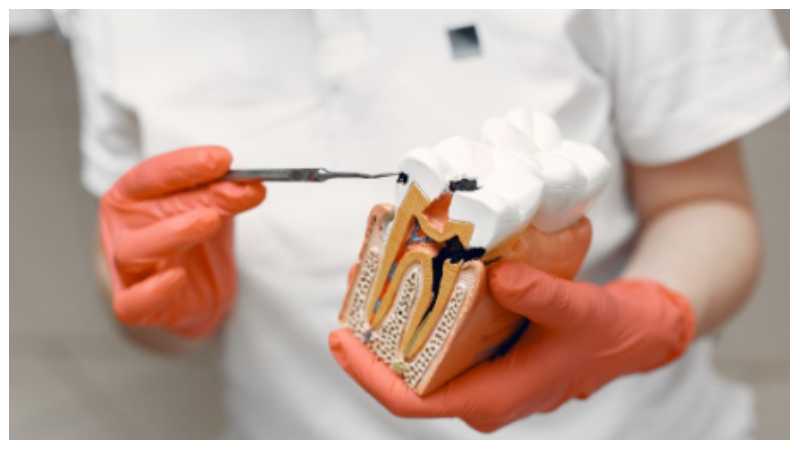
The main goal for every dentist is keeping natural teeth saved. Even if implants or other fake teeth can replace one lost tooth, nothing really feels or works like your own original teeth. Dentists do root canals to save teeth that get infected inside when deep decay or bad trauma goes deep enough to reach inner parts.
Contrary to what most people think, getting root canals isn’t as bad as stories make it sound. Actually, having a root canal done gives no more discomfort than getting a basic filling, which is also explained in the informative guide from Hughson Dental Implants. By keeping the natural root inside the jaw, patients stop their jawbone from losing density, stop nearby teeth from shifting around, and avoid needing harder tooth extractions later on.
Tooth Structure
To really get what a root canal does, we first need to see the different layers making up a tooth.
Enamel
This is the outer white shell giving a hard protective shield over the whole tooth. It stands as the thickest, most durable layer.
Dentin
Right under the enamel sits the dentin, a porous bone-like layer filled with tiny little tubes called tubules. These small tubules carry signals straight from the tooth back to the central nervous system through the pulp chamber in the tooth center.
Pulp Chamber & Root Canals
Extending down from this pulp chamber are the root canals—hair-thin channels running all through the roots down into the jawbone.
- Enamel: Hard protective outer shield
- Dentin: Porous middle layer packed with nerve tubules
- Pulp Chamber: Inner center holding nerves, blood vessels, and soft tissue
- Root Canals: Thin channels stretching down into the jawbone
When bad bacteria work their way past enamel and dentin, they enter right into the pulp chamber. Once inside, they infect nerve endings, which builds up heavy pressure and severe pain.
Common Signs You May Need a Root Canal
Pulpitis, meaning inflammation inside the tooth pulp, happens as either chronic or sudden acute pain. Spotting these common pulpitis signs early helps patients get treatment before infection spreads further into nearby gums and bone.
- Persistent Hot or Cold Sensitivity: Pain or sharp discomfort triggered by drinking or eating things hot or cold, where the ache stays lingering long after you finish eating.
- Unprovoked or Throbbing Pain: Constant dull aching or sharp pains that get worse when you lie down flat or bite down hard on that tooth.
- Gum Tenderness or Swelling: Puffy, swollen gums or seeing a small pimple-like bump show up on the gum line, which usually means an abscess formed at the root tip.
- Discolored Tooth: A tooth turning dark or grayish often means the nerve tissue deep inside has died off.
The Root Canal Procedure
A root canal is a straightforward treatment done to drain out and clean all infected tissue from inside the tooth space.
Anesthesia and Protection
First, the dentist numbs up the whole spot using local anesthesia. They often place a small rubber sheet around the tooth to keep everything dry and clean from mouth bacteria.
Access Opening
Next, the dentist drills a small opening through the top chewing surface—or through the back side if it’s a front tooth—so they can reach the pulp chamber and root canals directly.
Cleaning and Shaping
Using tiny hand files or spinning tools, the dentist scrapes out all decayed material and infection sources from inside. Then they flush the thin root canal pathways multiple times using antibacterial liquids.
Canal Filling
Once the channels are fully cleaned and dried, the dentist packs them with a rubbery material called gutta-percha to block any new bacteria from getting back in.
Final Restoration
Lastly, the dentist seals up the entry hole using a temporary filling. Because a tooth loses some structural strength after root canal treatment, a porcelain crown is fitted over top later to protect it and restore full chewing strength.
Benefits of Saving Your Natural Tooth
When looking at ways to fix a damaged tooth, some people wonder if pulling it out completely isn’t just easier. But saving your real tooth keeps you away from bigger surgical procedures, lets you chew normally, keeps neighbor teeth from drifting out of alignment, and prevents jawbone loss over time.
Even though pulling a tooth out might look cheaper at first glance, getting a root canal plus a porcelain crown usually turns out far less expensive over the long run.
Healing After a Root Canal
After finishing a root canal, expect just a few days of light tenderness while the area calms down. Any mild pain in the following weeks stays minor and easily stays under control with basic over-the-counter pain meds.
Helpful Healing Tips
- Avoid chewing hard food on that treated tooth until the final permanent crown gets put on.
- Keep brushing and flossing around the spot every day as normal.
- See your dentist regularly for routine checkups and professional cleanings.
Understanding how root canals actually work takes away most of the fear people feel about them. By removing infected, painful pulp, root canals stop the ache of an abscessed tooth while keeping your real natural tooth intact for many years ahead.