
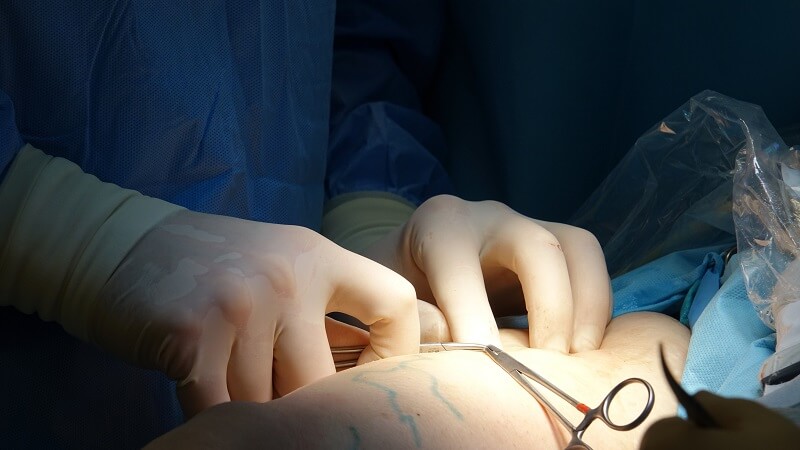
The decision to change one’s body is rarely simple. It comes from a tangled place. A mix of feelings. Old memories. Social pressure. Personal dreams. A person does not wake up and choose surgery on a whim. The choice builds over years.
This piece digs into that psychology. No judgment. Just a look at what really drives the knife.
The Mirror Test
Most people have a complicated relationship with their reflection. Some days it is fine. Other days it stings. A person sees a flaw and cannot unsee it. That flaw grows bigger over time. It becomes the main character in their story.
For many women, the chest plays that role. They consider breast augmentation not for anyone else. For themselves. The mirror becomes a source of pain. The surgery aims to turn that pain into peace. The brain just wants to feel okay in its own skin.
The Comparison Game
Social media feeds the beast. A person scrolls through perfect bodies. Smooth skin. Symmetrical features. Full curves. The comparison starts instantly. The brain says, Why don’t I look like that?
This happens to everyone. Some people brush it off. Others let it sink in deep. That feeling festers. It grows into a desire for change. The surgery becomes a way to catch up. To feel equal. To stop feeling less than. The comparison is a trap. But it is a very real one.
The Loss of Identity
Pregnancy changes a woman’s body. She wakes up one day and does not recognize herself. The breasts that once felt hers are gone. The belly is soft and loose. The shape is foreign. This loss hurts deeply. It is not about vanity. It is about identity.
A woman wants to see the person she used to be. Surgery offers a path back. Not to a younger version. But to a version that feels familiar. That feels like her. The emotional pull is powerful.
The Control Factor
Life throws chaos at people. Illness. Breakups. Job loss. The body feels like the only thing a person can control. Changing it becomes an act of reclaiming power. The surgery says, I am in charge.
That feeling is intoxicating. It restores a sense of agency. A person who felt powerless now feels strong. The physical change is real. The psychological shift is bigger. The new body becomes a symbol of survival. A badge of taking back control.
The Social Stigma
Society sends mixed signals. It praises beauty. Then it shames the pursuit of it. A person who chooses surgery faces judgment. Friends whisper. Family members frown. This stigma hurts. It makes the person feel shallow. They wonder if they are making a mistake.
But the desire is real. The inner turmoil is valid. The person must tune out the noise. They must listen to their own heart. The decision belongs to them alone. No one else lives in their body.
The Dopamine Rush
Change brings excitement. The surgery date approaches. The nerves build. The anticipation grows. The brain releases dopamine. That feels good. The person imagines the new life. The new clothes. The new confidence. The surgery becomes a fantasy. A promise of happiness.
But the rush fades. The recovery is hard. The swelling is ugly. The fantasy meets reality. This is a critical moment. The person must push through the low. The high returns later. The real happiness comes from the lasting change. Not the temporary thrill.
The Revision Risk
Some people chase perfection. They get one surgery. Then another. Then another. The body becomes a project. The goalpost keeps moving. This is a dangerous path. It signals a deeper issue. The surgery cannot fix an unhappy mind. It cannot cure low self-esteem. It cannot mend a broken heart.
A person with unrealistic hopes will never feel satisfied. They need therapy. Not another procedure. A good surgeon will screen for this. They will say no. That no is an act of care.
The Healing Mindset
The best outcomes come from a healthy headspace. A person who loves themselves first. Who accepts their flaws. Who sees surgery as an enhancement. Not a fix. These people heal faster. They feel happier. They embrace the scars. They embrace the imperfection.
The surgery is a gift to themselves. Not a punishment. Not a desperate plea. The psychology shifts from lack to abundance. That shift changes everything. The body changes. The mind changes too. That is the real transformation.