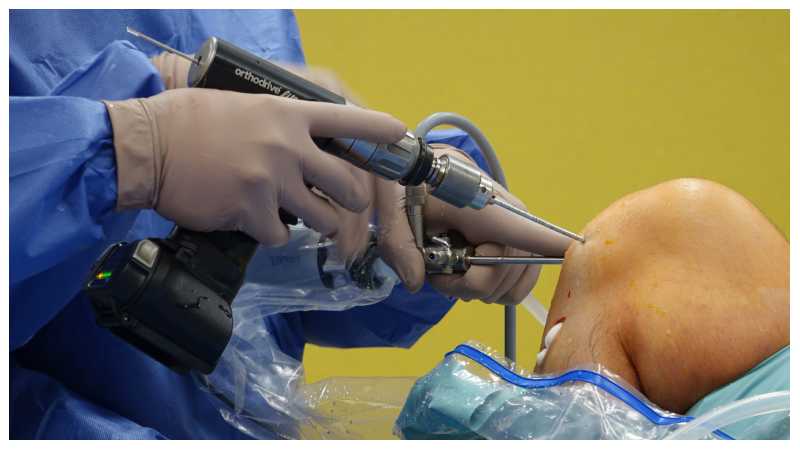
Hearing that your child needs surgery is one of the most frightening experiences a parent can face. But what happens when the doctor tells you this first operation won’t be the last? For many parents navigating the aftermath of a severe birth injury or pediatric trauma, realizing their child’s medical journey will span decades is overwhelming.
It is completely natural to feel anxious when an initial surgery doesn’t provide a permanent fix. However, unlike adults, children are constantly growing. Their bodies literally change how an injury heals, adapts, and functions over time. An intervention that works for a toddler might no longer support a teenager going through a massive growth spurt.
Understanding why pediatric injuries require ongoing, staged procedures is essential. It helps you anticipate your child’s future medical needs and protects your family’s long-term financial stability.
In this article, we will walk through the medical realities of natural childhood growth. We will cover the disconnect between bone and muscle development, the vulnerability of growth plates, and the common conditions that demand multiple surgeries. Finally, we will outline how you can plan for the long-term care your child deserves.
The Reality of Pediatric Injuries and Staged Care
When a child undergoes a second or third operation, parents often fear that the initial surgery failed. In pediatric medicine, this is rarely the case. Doctors use a proactive strategy called “staged pediatric care.” This approach is designed specifically to adapt to a child’s rapidly changing body.
An initial surgery usually focuses on stabilizing a severe condition. For example, a baby with a birth injury might receive a nerve graft in their first few months of life to restore basic function. However, as that infant gains height and weight over the next several years, new mechanical issues arise. Secondary procedures, like muscle transfers or tendon lengthenings, eventually become necessary to keep up with their physical development.
Because a child’s body is a moving target, families must prepare for a lifetime of evolving medical interventions. This reality comes with significant financial implications. The costs of hospital stays, specialized physical therapy, and surgical revisions compound quickly over a child’s life.
Accounting for Growth and Long-Term Reconstructive Care
Securing adequate coverage for multi-phase clinical care requires building an evidentiary record that accounts for physical development over time. When managing cases that involve physical disfigurement, severe lacerations, or complex scar revision, retaining a seasoned dog bite victim attorney ensures that settlement demands encompass mandatory future surgical procedures, specialized pediatric therapy, and long-term non-economic damages.
Accurately projecting these lifetime care needs is critical when securing resources for ongoing therapies and secondary surgeries. You cannot afford to plan just for today when your child’s medical needs will look completely different in ten years.
How Natural Childhood Growth Complicates Recovery
Childhood healing is complicated because the skeleton and soft tissues do not always mature at the same rate after severe trauma. In a healthy child, bones, muscles, tendons, and nerves grow in harmony. When a severe injury interrupts that harmony, doctors face a complex balancing act.
One of the biggest challenges in pediatric orthopedics is navigating growth plates, officially known as physes. Surgeons must intervene to correct immediate deformities, but they must do so without stunting the child’s natural skeletal development.
This delicate balance often means delaying definitive, permanent corrections until adolescence. Until the child reaches skeletal maturity, doctors rely on temporary measures that will eventually need revision.
The Disconnect Between Bone and Muscle Growth
In a developing child without injuries, muscles stretch and grow at the same pace as the bones they attach to. Neurological and physical traumas disrupt this synchronized process entirely.
When a child suffers from nerve damage or spasticity, their muscles remain tight and rigid. As their bones naturally lengthen during growth spurts, these damaged muscles cannot keep up. The elongating bones literally stretch the tight muscles past their limits, leading to painful joint contractures or even bone dislocations as the child gets taller.
Experts clearly recognize this clinical progression. Research shows that “CP affects muscle growth leading to a discrepancy between muscle growth and bone growth.”
This disconnect is exactly why a child might walk remarkably well at age four after an initial early intervention, but find themselves struggling with their gait by age eight. As the bones grow longer, the muscles become comparatively shorter, requiring surgical tendon lengthening to restore movement.
Protecting the Growth Plates (Physes)
Growth plates are areas of developing cartilage tissue located near the ends of long bones in children and teens. They regulate the length and shape of the mature bone. Because they are the weakest areas of the growing skeleton, they are incredibly vulnerable during surgery.
Surgical hardware and techniques used safely in adults simply cannot be used in young children. Placing permanent screws or drilling through an open growth plate can cause irreversible damage.
Medical researchers emphasize this distinct pediatric risk:
To avoid permanently stunting a limb, pediatric surgeons use modified, temporary techniques. They might use specialized plates that guide growth rather than halt it. Once the child finally reaches full skeletal maturity in their late teens, doctors can safely perform a final, more permanent surgical intervention.
Common Childhood Injuries That Require Staged Surgeries
If your child requires multiple operations, you are not alone. Revisions and staged surgeries are standard, expected medical pathways for several severe birth injuries and congenital issues.
While an initial brain or nerve injury sustained at birth might be static—meaning the original damage does not get worse—the resulting physical deformities are highly progressive. Without ongoing surgical management, a child’s mobility and comfort will decline as they grow.
Here is a look at how staged care typically unfolds for common pediatric injuries:
| Type of Pediatric Injury | Typical Initial Surgery (Infancy/Toddler) | Subsequent Staged Surgeries (Childhood/Teens) |
|---|---|---|
| Brachial Plexus Injury | Nerve grafting or nerve transfers to restore basic signaling. | Muscle transfers, tendon lengthening, or joint releases. |
| Cerebral Palsy (Spastic) | Selective Dorsal Rhizotomy (SDR) to reduce leg spasticity. | Hip reconstruction, spinal fusion, or tendon lengthening. |
| Severe Bone Fractures | Setting the bone with temporary pediatric pins/wires. | Hardware removal, limb lengthening, or corrective osteotomy. |
Brachial Plexus and Nerve Trauma
Brachial plexus injuries frequently occur during difficult deliveries, especially in cases involving shoulder dystocia. When the nerves controlling the arm and hand are stretched or torn, immediate intervention in infancy is often required to repair the damage.
However, early nerve grafts do not solve the muscle imbalances that inevitably develop as the child’s arm grows. Even with restored nerve signaling, certain muscles may remain weaker than others, pulling the shoulder or elbow out of alignment over the years.
Clinical consensus dictates that complex nerve injuries in growing children require an interdisciplinary approach and often multiple staged procedures over time, ranging from early nerve grafts to later muscle transfers. Families must anticipate these reconstructive procedures well into the child’s teenage years to maintain proper limb function.
Orthopedic Deformities from Cerebral Palsy
Cerebral palsy is a static brain injury, meaning the brain damage itself does not spread or worsen over time. Yet, the physical symptoms it causes—primarily severe muscle spasticity—become much more pronounced as the child navigates standard growth spurts.
Children with spastic CP frequently undergo orthopedic surgical journeys tailored to their development. During periods of rapid growth, the pulling force of tight muscles can slowly pull the hip joint out of its socket or cause the spine to curve dangerously.
Common secondary procedures, such as hip reconstruction or spinal fusion, are required to counteract this physical decline. Proactive, staged orthopedic care is vital. It is the only way to maintain a child’s mobility, comfort, and functional independence over their lifetime.
Preparing for the Long-Term Financial Impact
The emotional toll of watching your child undergo multiple surgeries is heavy enough. But the immense stress parents feel when facing the out-of-pocket costs for these procedures is often just as debilitating. Specialized physical therapies, custom wheelchair modifications, and future surgical revisions carry a staggering price tag.
Many parents make the understandable mistake of accepting an early medical malpractice settlement that only covers the cost of the initial procedure. This leaves the family entirely stranded when secondary surgeries inevitably become necessary five or ten years down the line.
This is why understanding the concept of “lifetime care damages” is critical. A comprehensive life care plan projects future medical care, the replacement of assistive mobility technology, and the full spectrum of staged pediatric surgeries your child will need until adulthood and beyond.
To protect your family, you need to partner with legal and medical experts who conduct in-depth medical-legal investigations. These professionals document the medical necessity of future surgeries, ensuring negligent healthcare providers are held fully accountable for your child’s lifetime care.
Conclusion
Because a child’s body is constantly growing and changing, severe childhood injuries rarely end with a single operation. From the moment of trauma through adolescence, a child’s skeleton and muscles wage a constant battle to adapt to their injuries.
Conditions involving nerve damage or severe spasticity inherently require staged pediatric care. Surgeons must protect open growth plates and carefully manage the ongoing discrepancies between lengthening bones and tight muscles. While facing years of medical interventions sounds daunting, understanding this long-term medical trajectory removes the shock of future surgeries.
When you know what to expect, you can stop reacting to medical emergencies and start planning effectively. By looking well beyond your child’s immediate medical needs, you empower yourself to confidently advocate for their long-term physical well-being and secure the comprehensive lifetime support they deserve.